MINALOC AND LODA BRING STAKEHOLDERS TOGETHER TO IDENTIFY JOBS FOR GRADUATION PROGRAMME PARTICIPANTS

Kigali, 14 October 2026 - The Ministry of Local Government (MINALOC) and the Local Administrative Entities Development Agency (LODA) held a three day provincial stakeholder engagement meeting to explore ways of turning identified economic opportunities into jobs for participants in the Graduation Programme.
On 14th October 2026, the meeting was held at City of Kigali level, bringing together local government representatives, private sector actors and civil society organisations to discuss practical solutions for expanding access to employment and income-generating opportunities for vulnerable households.
Discussions identified several sectors with job-creation potential, including tailoring, mining, fishing, leather production, plastic recycling, cleaning services and electric vehicle garages. Participants also highlighted barriers to employment, including limited access to machinery, finance and electricity, skills gaps, and the need for training and transport support.
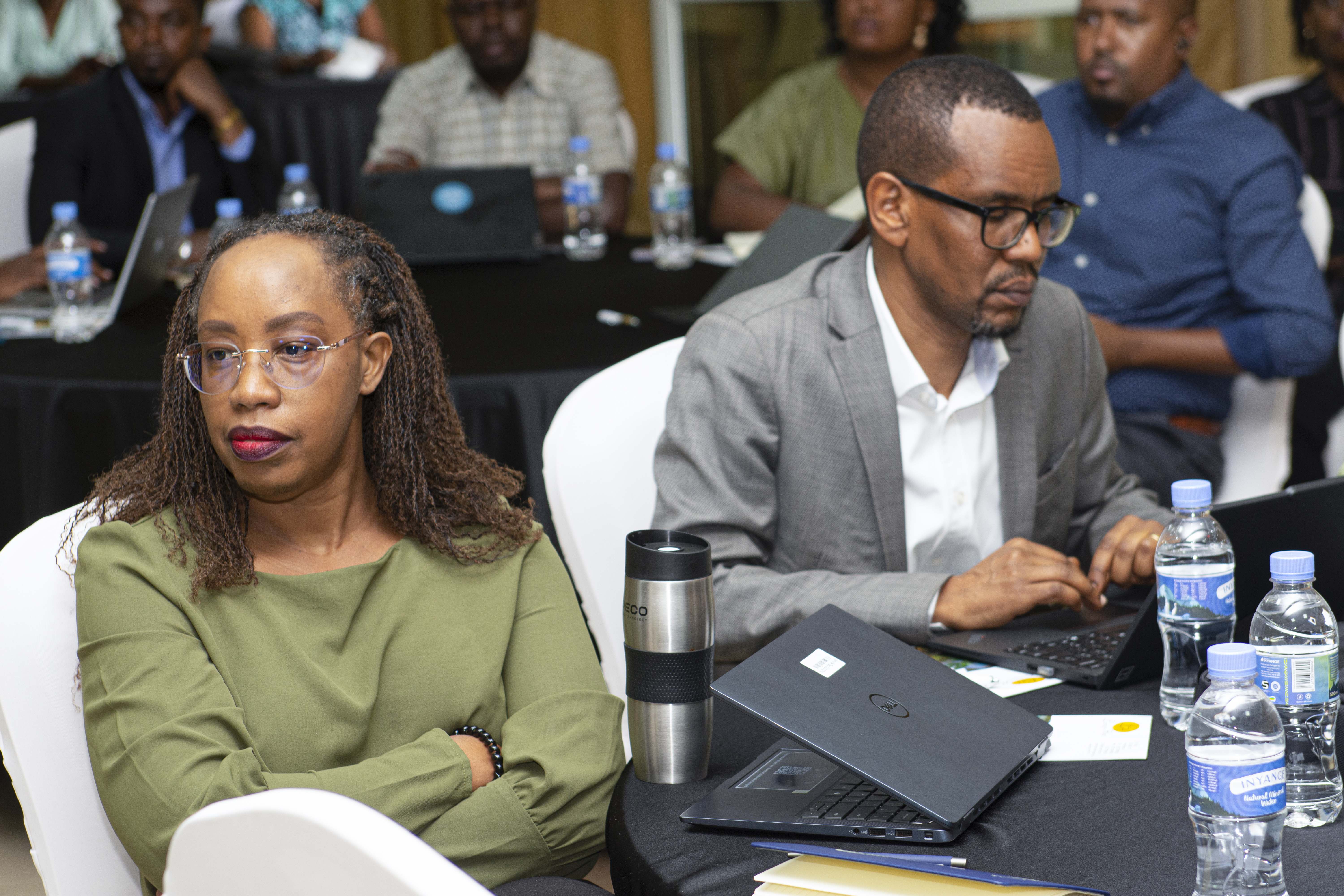
Participants emphasised the importance of equipping young people with relevant skills and encouraging them to take advantage of available opportunities, including starting small and gradually growing their businesses. They also called for stronger collaboration between government institutions, businesses and civil society organisations to address these barriers and connect eligible participants with jobs and business opportunities.
In collaboration with districts, MINALOC and LODA have identified more than 500 opportunities with the potential to create over 181,577 jobs.
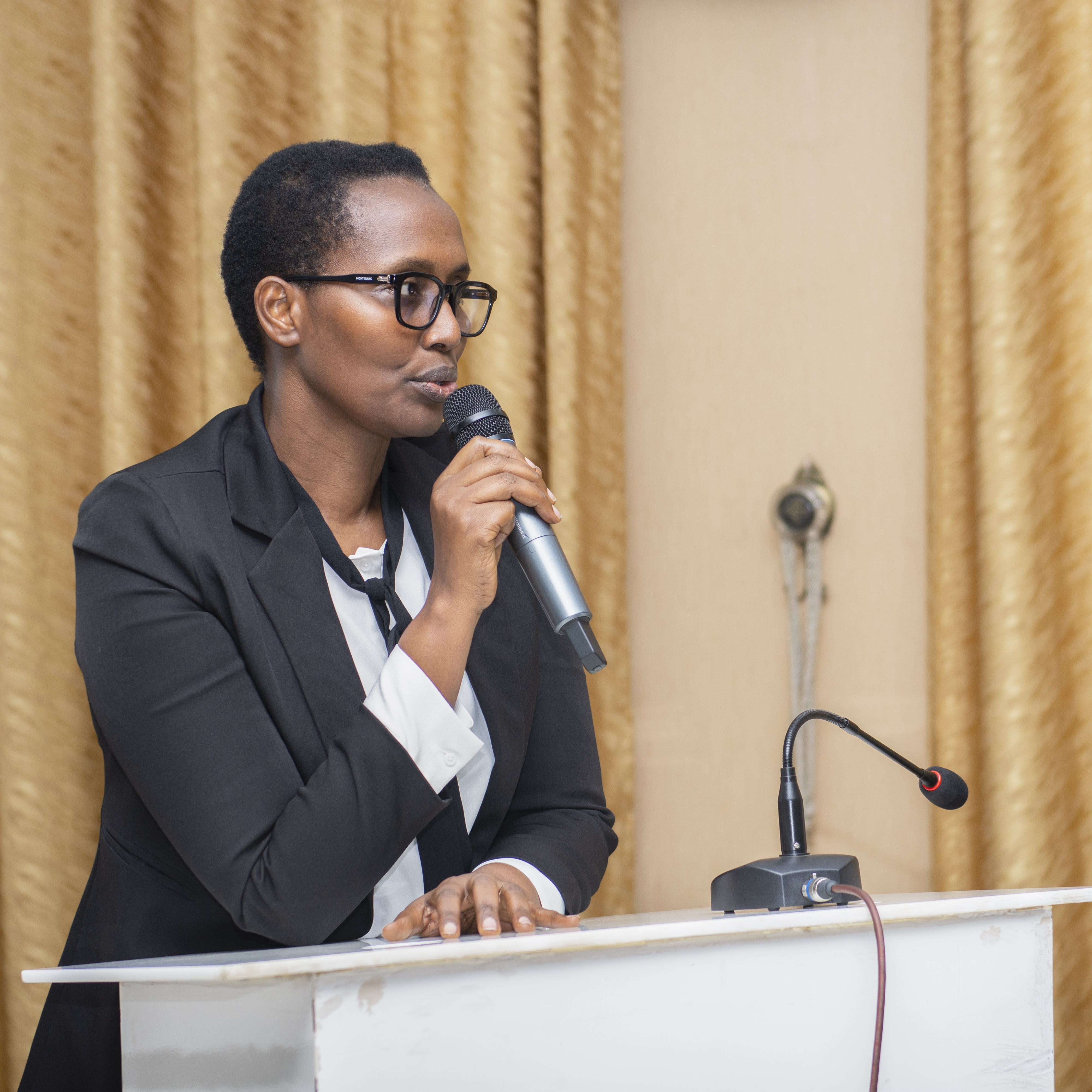
In closing the meeting, the City Manager underscored the importance of collaboration between local government, the private sector and civil society organisations in addressing the challenges discussed and translating identified opportunities into employment.
The engagement forms part of broader efforts to advance the National Strategy for Sustainable Graduation by strengthening partnerships that enable participants to access jobs, generate income and build sustainable livelihoods.